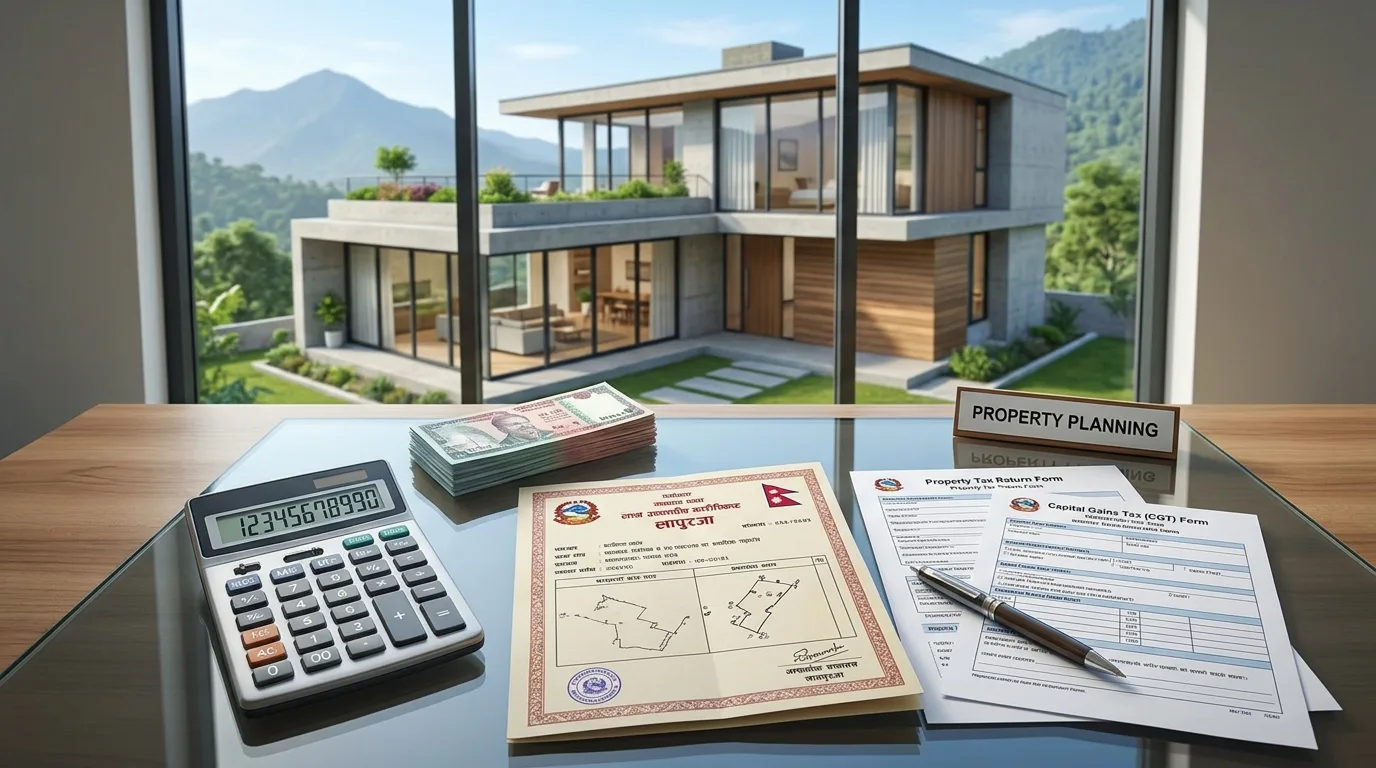
The Rise of Gated Community Housing in Lalitpur: Pros, Cons, and Resale Value
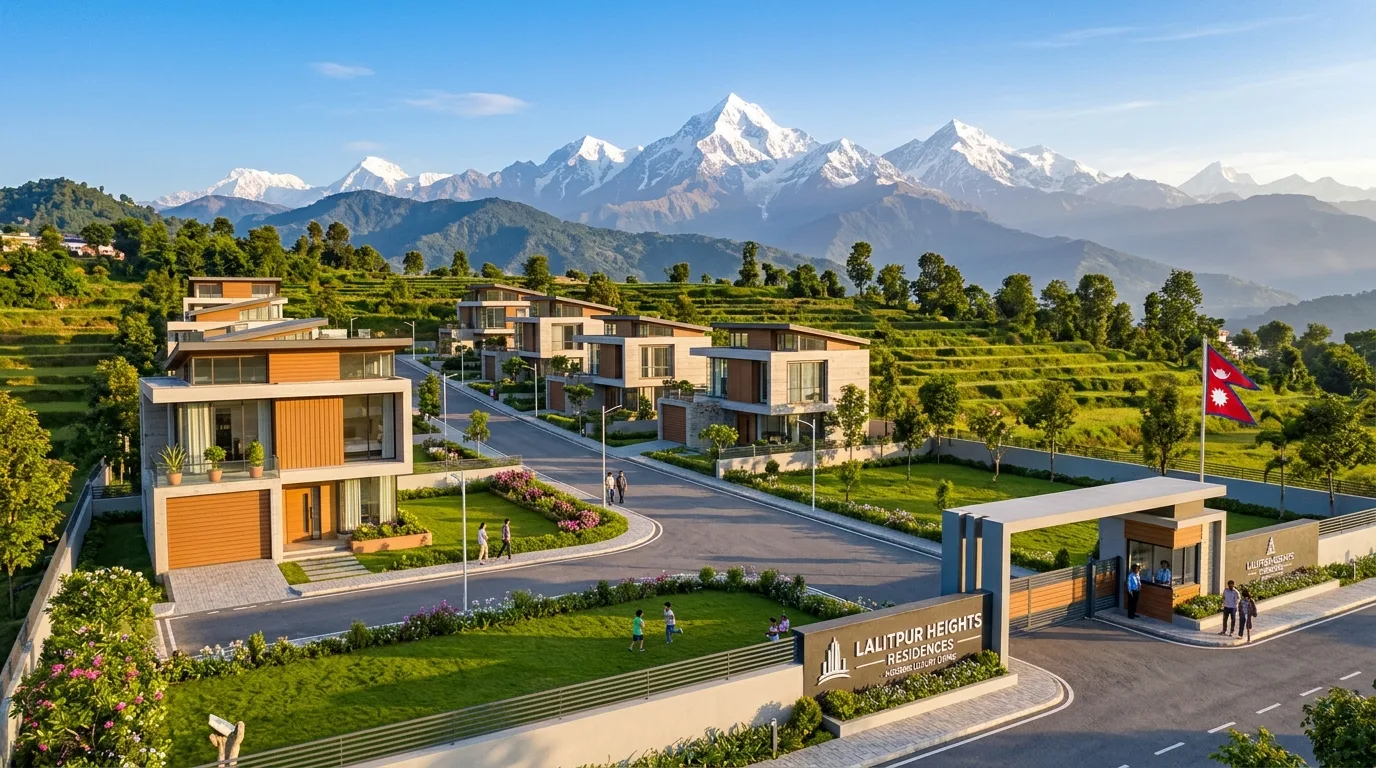
Over the past decade, Lalitpur has emerged as the premier residential hub for planned housing projects in Kathmandu Valley. Neighborhoods like Bhaisepati, Imadol, Dhapakhel, Harisiddhi, and Sanepa feature expanding master-planned gated communities (Housing Colonies).
Modern buyers—especially young urban families, executives, and Non-Resident Nepalis (NRNs)—are increasingly choosing gated communities over purchasing individual land plots.
Here is an analysis of the pros, cons, and long-term investment prospects of housing colonies in Lalitpur.
The Advantages of Gated Community Living
1. 24/7 Security & Controlled Access
Safety is a primary selling point. Gated housing colonies feature perimeter security walls, CCTV coverage, security personnel at entry gates, and restricted visitor access—offering peace of mind for families and frequent travelers.
2. Planned Infrastructure & Utility Reliability
Unlike organic suburban developments in Kathmandu where road width and water supply vary widely, housing colonies offer:
- Standardized 20-foot to 30-foot paved internal roads.
- Underground electrical cabling and centralized drainage lines.
- Shared deep boring water treatment plants and backup generator systems.
3. Community Amenities & Family Environment
Most modern developments incorporate shared facilities such as community halls, swimming pools, fitness centers, children’s play parks, and green open areas that are difficult to build on private individual plots.
The Drawbacks to Consider
1. High Price Per Square Foot
Colony houses carry a premium cost. Developer profit margins, shared amenity construction, and professional architectural engineering mean you pay significantly more per Aana compared to buying raw land nearby and building independently.
2. Monthly Maintenance & Community HOA Fees
Homeowners in gated developments must pay ongoing monthly Homeowner Association (HOA) maintenance fees. These cover gate security salaries, street lighting, waste management, and shared amenity upkeep (ranging from NPR 3,000 to NPR 15,000+ per month).
3. Architectural & Modification Restrictions
Most housing colonies enforce strict exterior modification guidelines. You may not be allowed to alter facade colors, add vertical floors beyond sanctioned limits, or modify structural designs without community management clearance.
Resale Value & Capital Appreciation Trends
Land Value vs. Structure Depreciation
When you buy an independent plot of land in Nepal, land values appreciate while old structures depreciate over time. In a colony house, a large portion of your initial investment is tied up in the housing structure itself.
Key Resale Factors in Lalitpur:
- Well-Managed Developments: Established colonies in Bhaisepati and Sanepa with active management committees maintain high resale values due to sustained demand from NRNs and foreign diplomats.
- Poorly Maintained Projects: If developer management fades and community fees go unpaid, aging amenities can lead to slower resale growth compared to independent land in adjacent areas.
Summary Comparison: Colony House vs. Independent House
| Feature | Colony House in Lalitpur | Independent Built House |
|---|---|---|
| Initial Cost | Higher (Turnkey purchase) | Lower initial land cost; custom budget |
| Security | High (Guards, gated entrance) | Self-managed |
| Road Width | Wide (20+ ft internal roads) | Varies by location |
| Customization | Limited exterior changes | Full architectural freedom |
| Community Amenities | Shared parks, gym, pool | None (Unless built privately) |
Conclusion
A gated community house in Lalitpur is ideal if you prioritize security, turnkey convenience, and a quiet family lifestyle. However, if your goal is maximum capital appreciation per Rupee invested, purchasing an independent plot in an emerging growth corridor may deliver stronger land-value percentage growth.